Automatic Stay in Bankruptcy Explained
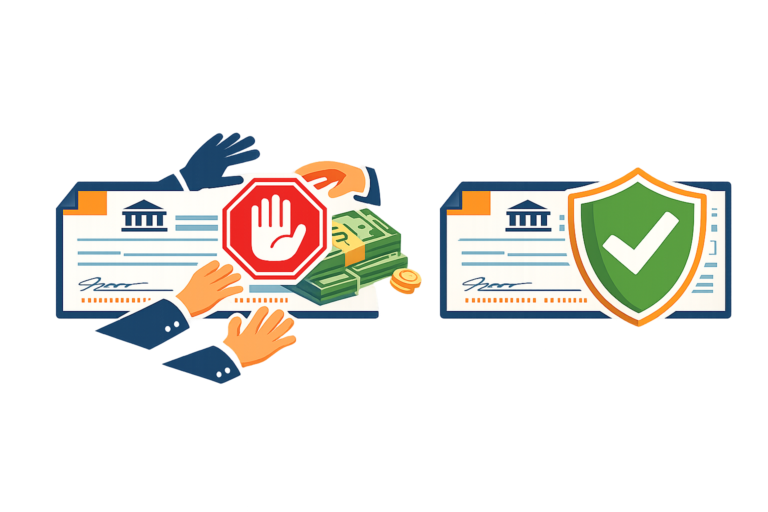
The automatic stay is one of the most powerful protections in all of bankruptcy law. The moment you file for bankruptcy, the automatic stay goes into effect — and it immediately stops virtually all collection activity against you. Understanding this protection is essential for anyone considering bankruptcy.
What is the Automatic Stay?
The automatic stay is a federal court order that automatically goes into effect the instant a bankruptcy petition is filed. It requires all creditors, collection agencies, and government entities to immediately stop almost all collection actions against the bankruptcy filer. It is found in Section 362 of the United States Bankruptcy Code. You do not have to request it — it happens automatically when you file. If you are just starting to learn about bankruptcy, read What is Bankruptcy? Complete Beginner’s Guide first.
What Does the Automatic Stay Stop?
- Wage garnishment — Creditors must stop immediately. Read How to Stop Wage Garnishment for more.
- Foreclosure — Lenders must pause any foreclosure proceedings. Read How to Stop Foreclosure with Bankruptcy for details.
- Repossession — Creditors cannot repossess your car or other property.
- Lawsuits — Any pending civil lawsuits against you for collection of a debt are paused.
- Collection calls — Creditors and collection agencies must stop all contact.
- Bank account levies — Creditors cannot freeze or take money from your bank accounts.
- Utility shutoffs — Utility companies cannot shut off your service for at least 20 days after you file.
What the Automatic Stay Does NOT Stop
The automatic stay has important exceptions. It does not stop child support and alimony collection, criminal proceedings, most IRS audit activities, pension loan repayments, or certain student loan administrative proceedings.
How Long Does the Automatic Stay Last?
In a Chapter 7 case, the automatic stay typically lasts until the case is closed, usually 3 to 6 months. In a Chapter 13 case, the automatic stay lasts throughout the entire repayment plan of 3 to 5 years, providing long-term protection. Compare both options in Chapter 7 vs Chapter 13 Bankruptcy.
Multiple Filings and the Automatic Stay
If you have filed for bankruptcy within the past year, the automatic stay rules change. If this is your second filing within 1 year, the stay only lasts 30 days unless you file a motion to extend it. If this is your third filing within 1 year, there is no automatic stay at all unless the court specifically orders one. These rules prevent people from using repeated filings simply to delay creditors.
What Happens if a Creditor Violates the Automatic Stay?
If a creditor knowingly violates the automatic stay — continues to call you, proceeds with a lawsuit, or garnishes your wages after your bankruptcy is filed — they may be held in contempt of court. Consequences can include being ordered to return any property or money taken after the filing, paying your actual damages and attorney fees, and paying punitive damages. If a creditor violates the stay, notify your bankruptcy attorney or file a motion with the bankruptcy court immediately.
Lifting the Automatic Stay
Creditors can ask the court to lift the automatic stay by filing a Motion for Relief from Automatic Stay. This is most commonly done by mortgage lenders who want to proceed with foreclosure because you have no equity in the home and are not making payments, or car lenders who want to repossess a vehicle. The court will hold a hearing and decide based on the circumstances of your case.
Conclusion
The automatic stay is often the most immediate and tangible benefit of filing for bankruptcy. It stops the bleeding — the calls, the lawsuits, the garnishments, the foreclosure — giving you breathing room to work through the bankruptcy process. If you need the automatic stay right now, read How to File Bankruptcy Without a Lawyer to learn how to file quickly. Continue with What Debts Can Be Discharged in Bankruptcy to understand what happens after the stay does its job.