Bankruptcy vs Debt Settlement: Which is Better?
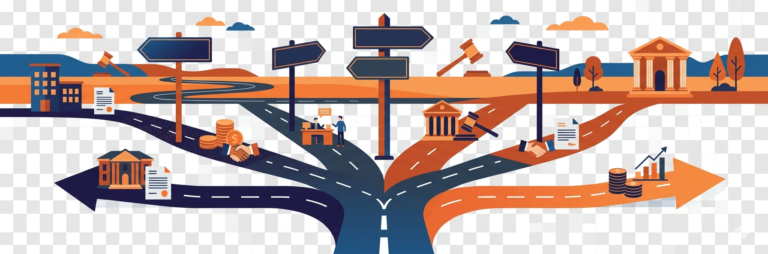
When you are buried in debt, bankruptcy and debt settlement are two of the most powerful tools available to you. Both can significantly reduce what you owe, but they work in very different ways and have very different consequences. This guide gives you a clear, honest comparison so you can make the right choice.
What is Debt Settlement?
Debt settlement is the process of negotiating with creditors to accept less than the full amount you owe as payment in full. You can negotiate yourself or hire a debt settlement company. Typically, debt settlement works best when you have a lump sum of money to offer, your accounts are already delinquent, and you owe unsecured debts like credit cards and medical bills.
What is Bankruptcy?
Bankruptcy is a legal process that either eliminates your eligible debts entirely in Chapter 7 or reorganizes them into a manageable repayment plan in Chapter 13. It is governed by federal law and provides strong legal protections. If you need a full overview, read What is Bankruptcy? Complete Beginner’s Guide.
Pros and Cons of Debt Settlement
Pros: You avoid bankruptcy on your record. Creditors sometimes accept 40 to 60 cents on the dollar. The process is private. You can negotiate one debt at a time.
Cons: Forgiven debt over $600 is generally taxable income — you will receive a 1099-C form. There is no legal protection during negotiations; creditors can still sue you and garnish your wages. Debt settlement companies can charge high fees and make promises they cannot keep. Credit damage from missed payments is still significant.
Pros and Cons of Bankruptcy
Pros: The automatic stay stops all collection actions the moment you file, including wage garnishment. All eligible debts are handled at once. Discharged debt is not taxable income. Once debts are discharged, creditors can never collect them again.
Cons: Stays on credit report for 7 to 10 years depending on chapter. It is a public record. Not all debts are dischargeable — student loans and child support typically survive. Read What Debts Can Be Discharged in Bankruptcy for the full list.
Head-to-Head Comparison
| Factor | Debt Settlement | Bankruptcy |
|---|---|---|
| Legal protection | None | Immediate automatic stay |
| Tax consequences | Forgiven debt is taxable | No tax on discharged debt |
| All debts handled | No, one at a time | Yes, all at once |
| Privacy | Private | Public record |
| Credit report impact | Moderate to severe | Severe but clear endpoint |
When Debt Settlement Makes More Sense
Debt settlement may be better if you only have 1 to 2 debts to deal with, you have a lump sum available, your income or assets are too high for bankruptcy to make sense, or the forgiven amount is small enough that the tax consequences are manageable.
When Bankruptcy Makes More Sense
Bankruptcy is typically the better choice if you have multiple debts across many creditors, you are being sued or your wages are being garnished, you have no lump sum for settlement, you need immediate legal protection, or you are facing foreclosure. Read How to Stop Wage Garnishment and How to Stop Foreclosure with Bankruptcy to understand how bankruptcy handles these urgent situations.
Conclusion
Neither debt settlement nor bankruptcy is perfect. Debt settlement avoids the formal bankruptcy process but offers no legal protection and creates tax liabilities. Bankruptcy provides powerful legal protection and a comprehensive fresh start but creates a public record and stays on your credit report for years. The right choice depends on your specific debt load, income, assets, and goals. Continue reading: Life After Bankruptcy: Complete Recovery Guide or How to Rebuild Credit After Bankruptcy.