
Bankruptcy Without a Lawyer: Can You Really File Pro Se in 2026?
Yes — you can file bankruptcy without a lawyer. This is called “pro se” representation (Latin for “for oneself”), and it is your legal right under federal law. Thousands of people successfully file Chapter 7 pro se every year, saving $1,000–$3,500 in attorney fees. But pro se filing isn’t right for every situation. This guide gives you an honest assessment of when to DIY and when to hire an attorney.
When Pro Se Bankruptcy Works Well
Pro se Chapter 7 filing is most appropriate when your situation is genuinely straightforward:
- Your debt is primarily unsecured (credit cards, medical bills, personal loans)
- Your assets are modest and clearly within your state’s exemptions
- You have regular W-2 income or are unemployed/disabled
- You haven’t transferred significant assets in the past 2 years
- You haven’t filed bankruptcy within the past 8 years
- None of your debts involve allegations of fraud
- You’re willing to invest 10–20 hours reading and carefully completing forms
When You Likely Need an Attorney
Certain situations significantly increase case complexity and risk of problems without legal guidance:
- You own a business: Business-related debts, business assets, and potential avoidance actions add complexity
- Recent large asset transfers: Selling, gifting, or transferring property within 2 years of filing can create fraudulent transfer issues
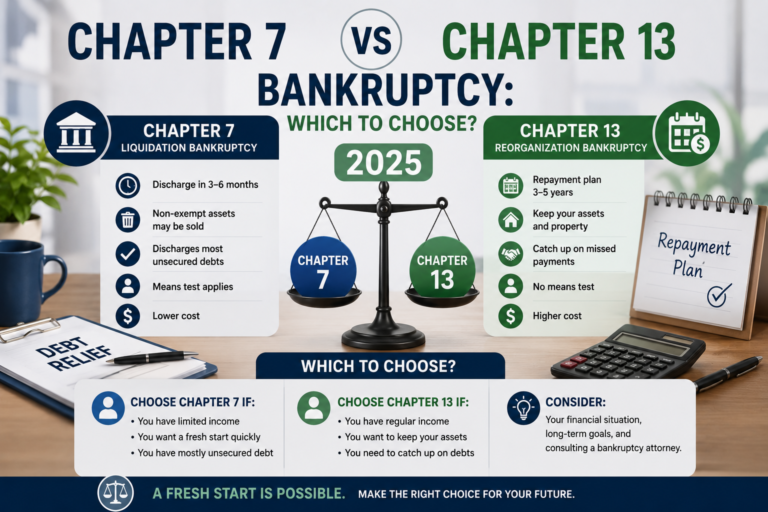
- Significant non-exempt assets: If you own property exceeding exemption amounts, strategic planning around whether to file Chapter 7 vs 13 requires careful analysis
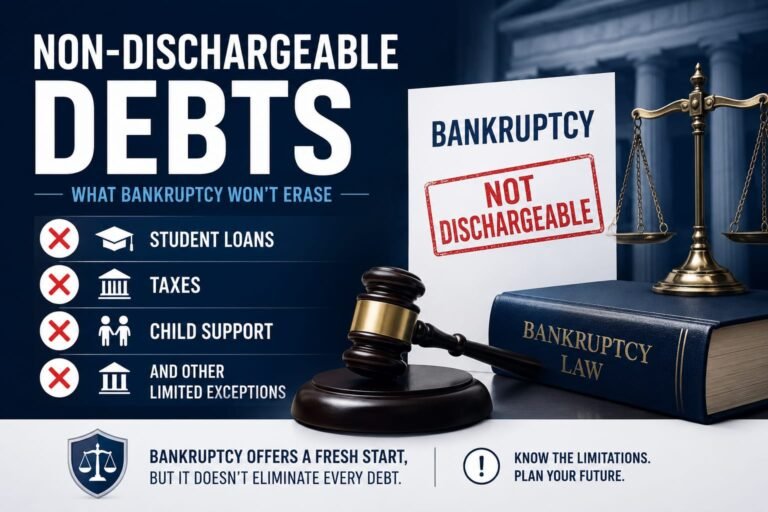
- Tax debts: Determining which tax debts are dischargeable vs non-dischargeable requires careful analysis of each debt
- Domestic support obligations: Child support arrears, divorce settlements, and spousal support interact with bankruptcy in complex ways
- Pending lawsuit against you: Whether to include the potential judgment in your bankruptcy requires timing analysis
- Creditor threatening to oppose discharge: If a major creditor has threatened litigation, attorney representation is important
Resources for Pro Se Bankruptcy Filers
Official Forms and Instructions
All official bankruptcy forms with official instructions are free at uscourts.gov/forms/bankruptcy-forms. Read the instructions for each form carefully — they’re written for non-lawyers and explain exactly what to include.
Bankruptcy Court Self-Help Centers
Many federal bankruptcy courts operate free Self-Help Centers staffed by attorneys or trained staff who can answer procedural questions and help you complete forms. They cannot provide legal advice but can explain requirements. Search “[your district] bankruptcy court self-help center” — for example, “Central District of California bankruptcy self-help center.”
Legal Aid Organizations
If your income is low enough, legal aid organizations provide free bankruptcy representation. Find your local legal aid at lawhelp.org. This gets you professional representation at no cost if you qualify.
Bankruptcy Petition Preparers
Bankruptcy petition preparers (non-attorneys) can type forms you complete based on information you provide — for a fee ($150–$300). They cannot give legal advice and are not responsible for errors. They can be useful for physical form completion but provide no strategic guidance.
Common Pro Se Mistakes to Avoid
- Undervaluing assets on Schedule A/B — use realistic fair market value, not what you paid or sentimental value
- Missing the debtor education certificate deadline after the 341 meeting
- Failing to disclose all financial transactions in the Statement of Financial Affairs
- Not listing every creditor in the creditor matrix — unlisted debts may survive discharge
- Choosing wrong exemptions — if your state allows choice between federal and state, calculate which protects more of your specific assets
The Limited Scope Representation Option
Some attorneys offer “limited scope” or “unbundled” legal services — you handle most of the filing yourself but pay an attorney for a specific portion: a 1-hour consultation to review your forms ($150–$300), representation at the 341 meeting only ($250–$500), or review of complex Schedule B items. This hybrid approach gives you professional verification at a fraction of full representation cost.
FAQ
Will the judge treat me differently for representing myself?
Bankruptcy judges and trustees are accustomed to pro se filers, particularly in Chapter 7. They generally apply the same requirements but may be slightly more patient in explaining procedural matters. They cannot provide legal advice or help you develop legal strategy.
What if I make a mistake on my forms?
Many mistakes can be corrected by filing amended schedules before your 341 meeting. The court charges no fee for amendments. Notify your trustee proactively if you discover an error — trustees generally treat proactive corrections better than discovered omissions.
Start Your Pro Se Bankruptcy Today
Free complete DIY checklist — every form, step, and deadline in order.