
Chapter 7 vs Chapter 13 Bankruptcy: Which Is Right for You?
Bankruptcy carries a stigma that often prevents people from exploring it as a legitimate legal tool — one that exists specifically to give people and businesses a path out of genuinely impossible financial situations. In reality, bankruptcy is a structured legal process with specific rules, protections, and outcomes. Understanding the two most common types is essential before making any decisions.
Chapter 7 and Chapter 13 are both forms of personal bankruptcy, but they work differently, suit different financial situations, and have different consequences. This guide explains both in plain terms.
What Chapter 7 Bankruptcy Does
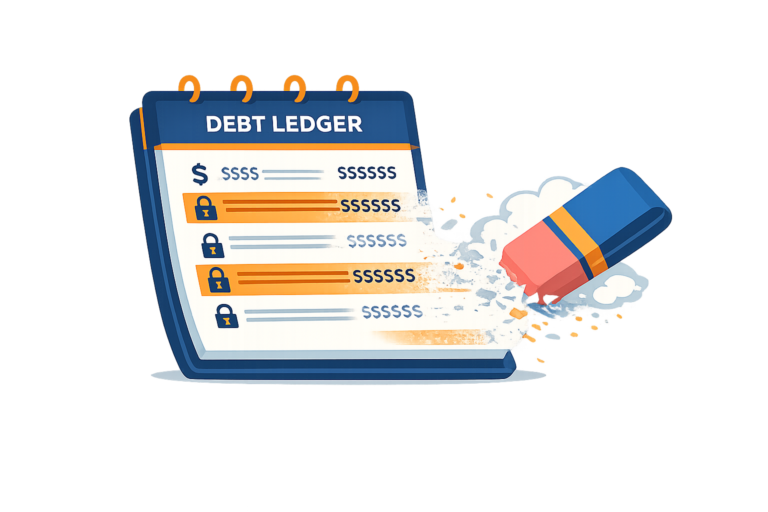
Chapter 7 bankruptcy is often called liquidation bankruptcy or a fresh start. It discharges — legally eliminates — most unsecured debt. Credit card debt, medical bills, personal loans, utility arrears, and most other consumer debts can be discharged through Chapter 7. What is left after the process is complete is simply gone. You owe nothing on those accounts.
The process is relatively fast. Most Chapter 7 cases are completed in 3 to 6 months from filing to discharge. During that time a court-appointed trustee reviews your financial situation, and any non-exempt assets can theoretically be liquidated to pay creditors. In practice, the vast majority of Chapter 7 filers are considered no-asset cases — they have nothing worth liquidating after exemptions are applied.
Exemptions are state-specific protections that shield certain assets from the bankruptcy process. Common exemptions include a homestead exemption protecting equity in your primary residence, a vehicle exemption protecting a car up to a certain value, retirement account protections (401k and IRA funds are almost always fully protected), and basic household goods and clothing. The specifics vary significantly by state, so what you can protect in Texas may differ from what you can protect in Ohio.
The Means Test for Chapter 7
Not everyone qualifies for Chapter 7. Congress added an income-based qualification test in 2005 called the means test to prevent higher-income borrowers from using Chapter 7 when Chapter 13 would be more appropriate.
The means test has two parts. First: is your current monthly income below your state’s median income for a household of your size? If yes, you pass the means test and can file Chapter 7. If your income exceeds the median, you proceed to the second part — a more detailed calculation of allowable expenses versus income that determines whether you have enough “disposable income” to fund a Chapter 13 repayment plan. Many people whose income exceeds the median still pass the means test after the expense calculation.
A bankruptcy attorney can run the means test calculation for you in about 30 minutes. Most offer free initial consultations for this purpose.
What Chapter 13 Bankruptcy Does
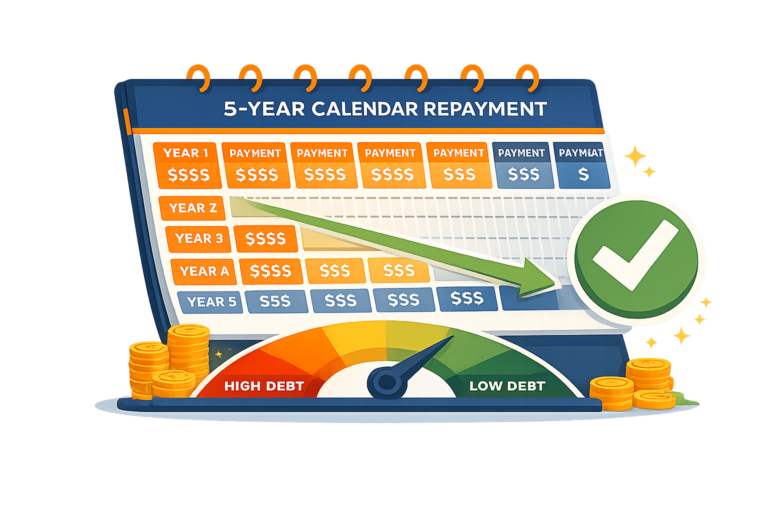
Chapter 13 bankruptcy is a reorganization rather than a liquidation. Instead of immediately discharging debt, Chapter 13 creates a 3 to 5 year repayment plan based on your income and expenses. You make monthly payments to a Chapter 13 trustee who distributes funds to your creditors according to the plan. At the end of the repayment period, any remaining eligible debt is discharged.
Chapter 13 is significantly more complex and takes much longer than Chapter 7. But it offers capabilities that Chapter 7 cannot match.
Key Advantages of Chapter 13
Saving your home from foreclosure: If you are behind on mortgage payments, Chapter 13 lets you catch up on the arrears over the life of the plan while resuming current mortgage payments. As long as you make your plan payments and keep current on your mortgage going forward, you can keep your home. Chapter 7 does not provide this catch-up mechanism.
Protecting non-exempt assets: If you have assets that would be liquidated in Chapter 7 — equity in a vacation property, investment accounts, business assets — Chapter 13 lets you keep them in exchange for funding the repayment plan.
No means test requirement: Chapter 13 is available regardless of income level. However, there are debt limits — in 2026, you cannot have more than approximately $465,000 in unsecured debt or $1.4 million in secured debt and file Chapter 13.
Stripping underwater second mortgages: In some situations, Chapter 13 allows “lien stripping” — removing a second mortgage from your home if the home’s value is less than the first mortgage balance. The stripped lien becomes unsecured debt and is treated accordingly in the plan.
Credit Impact: How They Compare
Both types of bankruptcy damage your credit, but Chapter 7 has a longer reporting period. A Chapter 7 bankruptcy appears on your credit report for 10 years from the filing date. Chapter 13 appears for 7 years. In both cases, the impact on your score is most severe immediately after filing and gradually diminishes as time passes and you demonstrate responsible financial behavior afterward.
Many people who file bankruptcy find their credit is rebuilding meaningfully within 2 to 3 years. Secured credit cards and credit-builder loans are common tools for rebuilding credit post-bankruptcy.
What Bankruptcy Cannot Discharge
Both Chapter 7 and Chapter 13 leave certain debts intact. Non-dischargeable debts include most student loans, child support and alimony, most tax debts, debts incurred through fraud, and criminal fines. Chapter 13 can handle some tax debts more effectively than Chapter 7, but neither eliminates student loans in the vast majority of cases.
Before Filing: Explore All Options
Bankruptcy is a legitimate legal tool, not a last resort of shame. But it also has real consequences worth understanding before you file. Other options that may achieve similar relief with less long-term impact include debt settlement, debt management plans through nonprofit credit counseling, and negotiation directly with creditors.
National Debt Relief offers free consultations to compare bankruptcy and non-bankruptcy options based on your specific debt mix, income, and goals. Understanding all available paths before filing gives you the best chance of choosing the approach that actually serves your long-term financial recovery.