Chapter 13 Bankruptcy: How the Repayment Plan Works in 2026
Chapter 13 is called the “wage earner’s plan” because it requires regular income to fund a repayment to creditors over 3–5 years. It’s more complex than Chapter 7, but for people who want to save their home from foreclosure, protect non-exempt assets, or can’t qualify for Chapter 7, it’s an essential tool. This guide explains exactly how the repayment plan works from confirmation to completion.
Who Chapter 13 Is For
Chapter 13 is most beneficial when: you’re behind on mortgage payments and want to keep your home, you have non-exempt assets you’d lose in Chapter 7, your income is too high to pass the Chapter 7 means test, you have priority debts (back taxes, child support) that aren’t dischargeable but need time to pay, or you filed Chapter 7 in the past 8 years and can’t refile.
Step 1: Determine Your Plan Payment
Your Chapter 13 plan payment is based on your “projected disposable income” — the income left after allowed living expenses, mandatory debt payments, and priority debt obligations. The calculation uses Official Form 122C-1 and 122C-2 for above-median-income filers.
Your plan must pay at minimum:
- All “priority” debts in full (child support, alimony, most recent taxes)
- The full value of non-exempt assets (the “liquidation test” — creditors must receive at least what they’d get in Chapter 7)
- Secured debt payments for property you’re keeping (mortgage, car)
- Mortgage arrears spread over the plan period
- Whatever disposable income remains goes to unsecured creditors
Step 2: File Your Plan With Your Petition
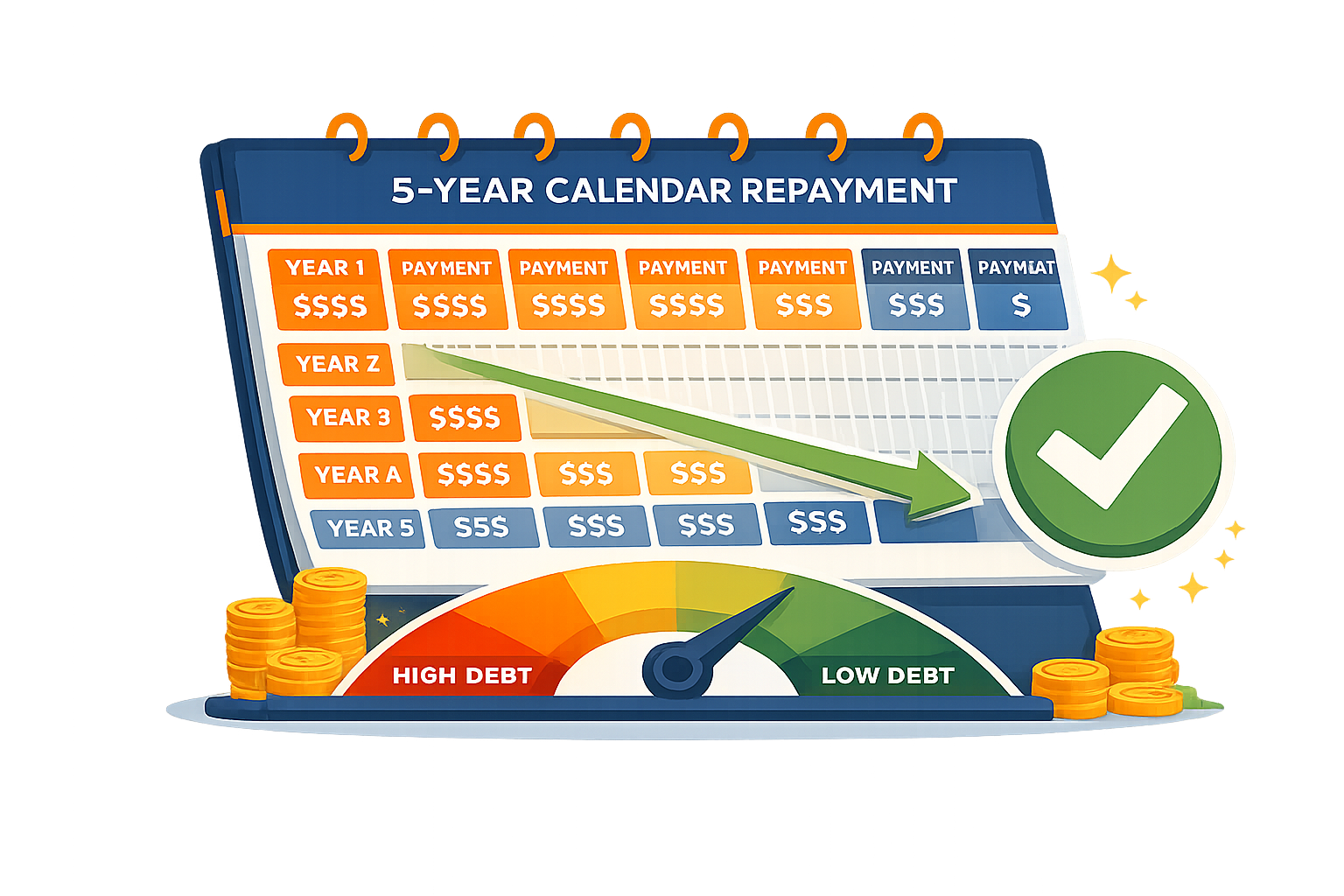
Your Chapter 13 repayment plan is filed simultaneously with your bankruptcy petition. The plan document specifies: plan duration (36 months if below median income, up to 60 months if above), your monthly payment amount, how payments are distributed between secured and unsecured creditors, and treatment of specific assets and debts.
Step 3: Begin Making Plan Payments
Within 30 days of filing — before your plan is confirmed — you must begin making plan payments to the Chapter 13 trustee. Payments are typically made by payroll deduction (your employer sends payment directly to the trustee) or automatic bank transfer. Missing payments is the most common reason Chapter 13 cases fail.
Step 4: Attend the 341 Meeting and Confirmation Hearing
341 Meeting: Held 21–50 days after filing. Brief meeting with the trustee (5–15 minutes), similar to Chapter 7. The trustee reviews your petition and plan for accuracy and feasibility.
Confirmation Hearing: The court confirms (approves) your repayment plan, usually 45–90 days after filing. Creditors can object to the plan. Common objections: the plan undervalues a creditor’s collateral, doesn’t pay priority debts in full, or disposable income was calculated incorrectly. Most confirmation hearings proceed smoothly when the plan is properly prepared.
Step 5: Execute the Plan for 3–5 Years
After confirmation, you live on your allowed budget for the plan duration. The trustee distributes your payments to creditors according to the confirmed plan. During this period:
- You cannot take on new significant debt without court approval
- You must report income changes to the trustee
- If income increases, the trustee may request plan modification
- Tax refunds above a threshold must often be turned over to the trustee
- You must continue making mortgage and car payments directly (outside the plan for current payments)
Step 6: Receive Your Discharge
Upon successful completion of all plan payments and other requirements (including a second financial management course), the court issues your Chapter 13 discharge. This eliminates any remaining unsecured debt that wasn’t paid during the plan — often leaving unsecured creditors with pennies on the dollar.
If You Can’t Complete the Plan
Life happens. Options if you can’t continue plan payments:
- Plan modification: If income dropped or expenses increased, request a modified plan from the court
- Hardship discharge: Available in limited circumstances if failure is due to circumstances beyond your control, you’ve paid what creditors would have received in Chapter 7, and modification isn’t practical
- Convert to Chapter 7: If you now qualify for Chapter 7 and have limited non-exempt assets
- Dismiss the case: Return to pre-bankruptcy status — but your debts and creditors return with them
See our comparison of Chapter 7 vs Chapter 13 to confirm Chapter 13 is the right path before filing. See our guide on life after bankruptcy for the rebuilding steps after plan completion.
FAQ
How much do unsecured creditors receive in Chapter 13?
It varies enormously — from 0% to 100% depending on your disposable income after priority and secured debts. Many Chapter 13 plans pay unsecured creditors 0–10 cents on the dollar. The court approves plans that meet legal minimums regardless of how little unsecured creditors receive.
Can I keep my tax refund in Chapter 13?
Often no — plans typically require that tax refunds above a small amount ($1,000–$2,000) be turned over to the trustee for distribution to creditors. Plan for this before filing by adjusting withholding to minimize refunds during your plan period.