Bankruptcy Exemptions by State 2026: What Property Can You Keep?
One of the biggest misconceptions about bankruptcy is that you lose everything you own. In reality, bankruptcy exemptions protect most or all of a typical filer’s property. Understanding your state’s exemptions is one of the most important steps in bankruptcy planning — and in many cases, it’s the difference between keeping your home equity and losing it.
How Exemptions Work
When you file Chapter 7, the bankruptcy trustee can only liquidate property that exceeds your allowed exemptions. If your car is worth $8,000 and your state’s vehicle exemption is $5,000, the trustee could theoretically sell your car, pay you $5,000 (your exemption), and use the remaining $3,000 to pay creditors — minus the cost of the sale. In practice, trustees rarely pursue assets with small non-exempt equity because sale costs consume most or all of the surplus.
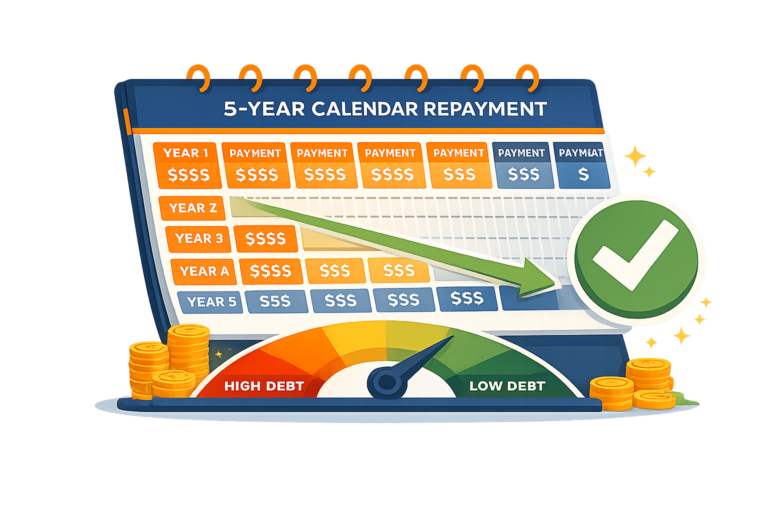
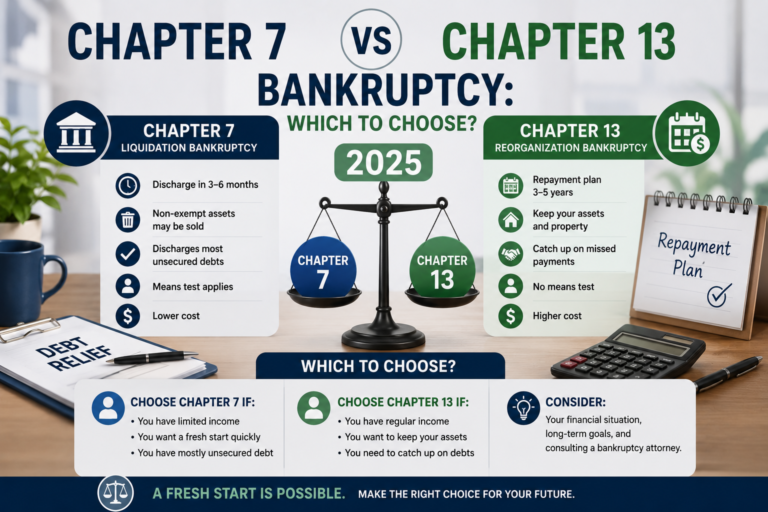
In Chapter 13, exemptions aren’t about what the trustee can take — they determine the minimum your repayment plan must pay to unsecured creditors (the “best interests of creditors” test). Creditors must receive at least as much as they’d get if you’d filed Chapter 7.
Federal vs State Exemptions
The federal bankruptcy code has its own set of exemptions (11 U.S.C. § 522(d)). States can either adopt the federal exemptions, create their own, or allow debtors to choose between the two. About 15 states allow debtors to choose federal exemptions; the others require state exemptions.
When you have a choice, calculate which set protects more of your specific assets before filing.
Key Federal Exemptions (2026)
- Homestead: $27,900 in home equity
- Vehicle: $4,450 in vehicle equity
- Household goods: $700/item, $14,875 total
- Jewelry: $1,875
- Tools of the trade: $2,800
- Wildcard: $1,475 plus unused homestead exemption up to $13,950 — highly flexible
- Retirement accounts: IRAs up to $1,512,350; 401(k), 403(b), pension plans fully exempt
- Life insurance cash value: $14,875
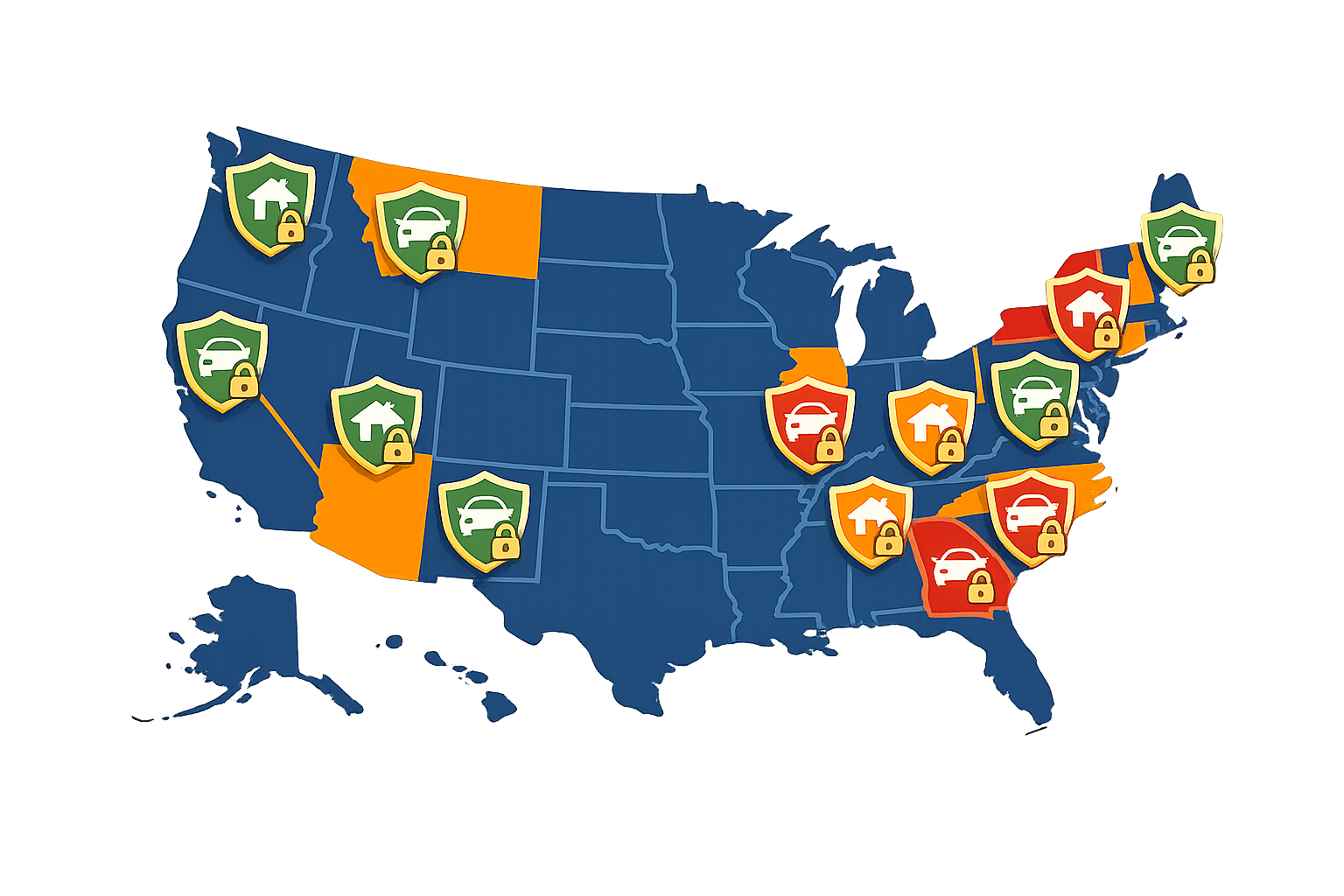
State-by-State Highlights
Most Protective States
Florida: Unlimited homestead exemption for primary residence (if property ≤ ½ acre in city, 160 acres rural). One of the most protective homestead exemptions in the country. Vehicle exemption: $1,000. Many Floridians choose bankruptcy specifically because their home equity is protected.
Texas: Unlimited homestead exemption on 10 acres urban, 200 acres rural. Vehicle: one per licensed household member (full value). Extremely protective for homeowners and multi-car households.
California: Two systems — System 1 (704 exemptions) has homestead up to $349,350 (in some counties), System 2 (703 exemptions) mirrors federal with wildcard. California allows debtors to choose.
Less Protective States
Maryland: Homestead exemption: only $25,150. Vehicle: $6,000. Lower protections than many states — federal exemptions are not available in Maryland.
New Jersey: No homestead exemption under state law (can use federal). Vehicle: $1,000 under state law. Federal exemptions generally more beneficial here.
Retirement Accounts: Protected Almost Everywhere
Regardless of state, retirement accounts including 401(k), 403(b), IRAs (up to $1.5 million), pension plans, SEP-IRAs, and SIMPLE IRAs are fully protected in bankruptcy. You do not need to worry about losing your retirement savings in Chapter 7 or Chapter 13. This protection is one of the most important — and least known — aspects of bankruptcy exemptions.
Social Security and Government Benefits
Social Security benefits are fully protected from creditors in bankruptcy. Other protected benefits include SSI, veterans’ benefits, federal student aid, and many state public assistance benefits. These protections apply whether the money is in your bank account or being received as income.
Timing Considerations
Some states require that you live in the state for a specific period before you can use state exemptions — typically 730 days (2 years) of residence to use the new state’s exemptions. Recent moves can affect which exemptions you use. File using the exemptions from the state where you lived for the longer portion of the 180 days before the 730-day period before filing.
FAQ
What happens to property that exceeds my exemptions?
The trustee can sell non-exempt property to pay creditors. However, in Chapter 13 you can keep all property by paying creditors the non-exempt value through your repayment plan. Many people choose Chapter 13 specifically to protect non-exempt assets like a second vehicle with significant equity.
How do I find my state’s exact exemptions?
Research your state’s bankruptcy exemptions through your state legislature’s website or the bankruptcy court for your district. Many district courts publish exemption charts. Alternatively, the National Consumer Law Center publishes a comprehensive state-by-state exemption guide.
Free State Exemptions Reference Guide
Complete exemption amounts for all 50 states — free download.