
The Automatic Stay in Bankruptcy: How It Protects You Immediately
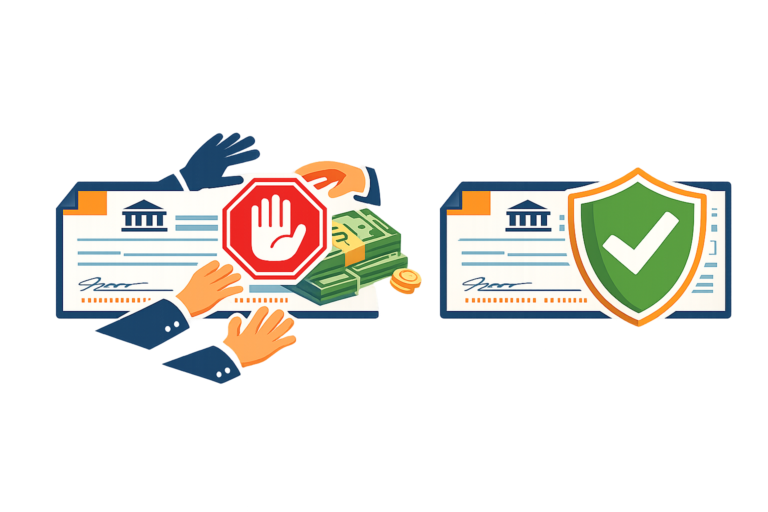
One of the most immediate and powerful benefits of filing for bankruptcy is something called the automatic stay. The moment your bankruptcy petition is filed with the court, the automatic stay goes into effect — stopping most collection actions against you instantly. For people dealing with harassing collection calls, wage garnishment, or even foreclosure, the automatic stay provides immediate relief while the bankruptcy process proceeds.
Disclaimer: This content is for educational purposes only. Consult a bankruptcy attorney for advice specific to your situation.
What Does the Automatic Stay Stop?
The automatic stay immediately stops: collection calls and letters from creditors and collection agencies, lawsuits seeking money judgments, wage garnishments, bank account levies, foreclosure proceedings, eviction proceedings in many cases, utility service disconnections, and repossession of property. The breadth of the automatic stay protection is one of the primary reasons people file for bankruptcy even when they are uncertain about the full process.
How Long Does the Automatic Stay Last?
In a Chapter 7 case the automatic stay remains in effect until the bankruptcy is discharged, dismissed, or closed — typically 3 to 6 months. In a Chapter 13 case the stay lasts throughout the entire repayment plan period, providing years of protection. If a creditor wants to take action against you during the stay, they must ask the bankruptcy court for permission by filing a motion for relief from stay.
What the Automatic Stay Does NOT Stop
The automatic stay does not stop everything. It does not stop criminal proceedings, child support and alimony collection, certain tax audits and assessments, actions by government agencies to enforce police and regulatory powers, and evictions where a judgment was already entered before filing in some cases. Understanding these exceptions is important for setting realistic expectations.
What to Do If a Creditor Violates the Automatic Stay
If a creditor continues collection actions after your bankruptcy is filed, they are violating the automatic stay and may be liable for actual damages, attorney fees, and in some cases punitive damages. Notify your bankruptcy attorney immediately if any creditor contacts you after filing. Document every contact — date, time, creditor name, what was said or done.
Conclusion
The automatic stay is one of the most powerful immediate protections available in the American legal system. Filing bankruptcy stops collection calls, lawsuits, garnishments, and foreclosures instantly. Understanding how the stay works, how long it lasts, and what it does not cover helps you use this protection effectively during the bankruptcy process.